About Bishkek
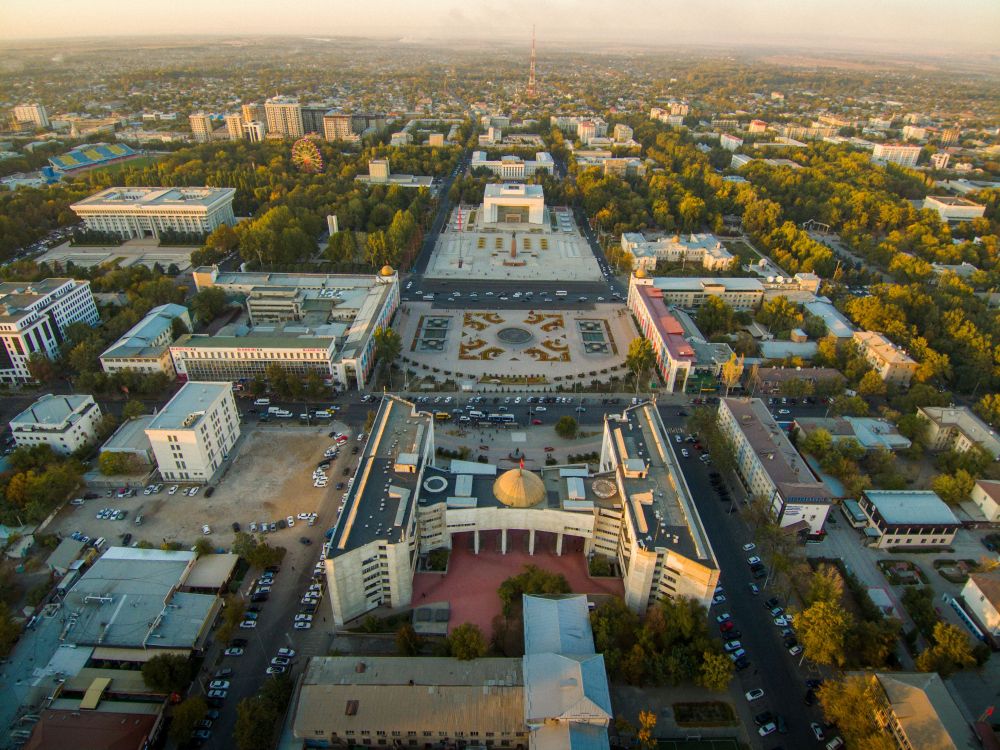
Bishkek is the capital and largest city of Kyrgyzstan. More than a million people live here today, and the city continues to grow. It is home to the country's main government institutions, universities, theaters, museums, business districts, major markets, and much of Kyrgyzstan's contemporary cultural life.
For international travelers, Bishkek is usually the first stop in the country. It is a convenient place to spend the first day after arrival, exchange money, buy a local SIM card, purchase any missing travel equipment, try Kyrgyz cuisine, and get a first understanding of the country before heading into the mountains.
But treating Bishkek only as a transit city is a mistake. Its central area is relatively compact, and many important places can be connected on a single walking route. Within a few hours, you can explore Ala-Too Square, old city parks, Soviet-era architecture, and Victory Square before continuing to Osh Bazaar, where the atmosphere changes completely.
Bishkek is also a good place to understand how diverse modern Kyrgyzstan has become. Monumental Soviet buildings stand only a few blocks away from new restaurants, coffee shops, traditional bazaars, irrigation canals, and quiet residential courtyards.
The city itself is changing quickly. New residential complexes, hotels, restaurants, and commercial buildings are appearing across Bishkek, while traffic and urban density have increased significantly compared with ten or twenty years ago.
One characteristic, however, remains immediately noticeable: Bishkek is full of trees. Many streets in the central districts are shaded by mature greenery, while traditional irrigation channels known as aryks still run alongside roads and sidewalks.
All of this sits beneath the Kyrgyz Ala-Too mountain range. On clear days, snow-covered peaks are clearly visible from the city streets. And these mountains are not merely part of the skyline — Ala-Archa National Park is only about 40 kilometers from the city center.
History of Bishkek
The history of the area where Bishkek now stands is much older than the modern city itself. The Chuy Valley lay along trade routes connecting different parts of Central Asia, and settlements developed here as people and goods moved along branches of the Silk Road.
The history of the modern city, however, is usually traced back to the 19th century.
Pishpek Fortress
In 1825, the Kokand Khanate built the Pishpek Fortress here. It formed part of a network of fortifications used to control the Chuy Valley, regional trade routes, and the surrounding population.
The fortress no longer exists. It was captured by Russian forces in 1862 and subsequently destroyed. A civilian settlement gradually developed nearby.
That is why visitors walking through modern Bishkek will not find a huge medieval citadel. The story of Pishpek survives mainly through historical plans, museum exhibits, archival photographs, and the stories told by local guides.
When Pishpek Became a City
In 1878, Pishpek officially received city status.
By modern standards, it was still a small settlement. A rectangular street grid began to take shape, while administrative buildings, trading areas, and residential neighborhoods appeared.
This was also the period when systematic urban planting became increasingly important. Bishkek has hot, relatively dry summers, so trees and irrigation channels were practical necessities rather than simple decoration.
This tradition played an important role in creating the shaded streets for which the city later became known.
From Pishpek to Frunze
In 1926, Pishpek was renamed Frunze in honor of Mikhail Vasilyevich Frunze, the prominent Soviet military and political figure who was born here.
The Soviet period shaped much of the city center that visitors see today. Wide avenues, government buildings, theaters, universities, industrial enterprises, public squares, and large parks transformed Frunze into an important regional capital.
For travelers interested in Soviet urban planning and architecture, central Bishkek is particularly interesting. Many buildings from the second half of the 20th century remain in use and still serve their original administrative or cultural functions.
From Frunze to Bishkek
In 1991, shortly before Kyrgyzstan became independent, Frunze was officially renamed Bishkek.
As a result, the capital has carried three widely recognized names during its relatively short modern history:
Pishpek → Frunze → Bishkek.
Many older residents still remember the Frunze era well, and the former name continues to appear in old photographs, documents, family stories, and historical references.
Where Does the Name Bishkek Come From?
There is no universally accepted explanation for the origin of the name.
The best-known version connects the word "bishkek" with a traditional wooden churn used to prepare kumis, fermented mare's milk. Kumis has been part of Kyrgyz nomadic culture for centuries, so this interpretation is often shared with visitors.
There are also folk legends connecting the names Pishpek or Bishkek with a person — usually described as a warrior, respected elder, or local hero.
These stories are part of local folklore rather than proven historical accounts, but they are still worth hearing because they show how history and oral tradition often overlap in Kyrgyzstan.
Even the name of the capital reflects the different layers that shaped the city: nomadic culture, Kokand rule, the Russian period, the Soviet era, and independent Kyrgyzstan.
Bishkek Today
Modern Bishkek looks very different from the city travelers would have encountered even twenty years ago.
The capital is expanding rapidly. New residential districts, high-rise buildings, hotels, restaurants, coffee shops, shopping centers, and commercial spaces appear every year. The southern parts of the city have changed particularly quickly as urban development has moved closer to the foothills.
The center remains recognizable because of its Soviet urban layout: wide streets, large city blocks, mature trees, and monumental public buildings.
For travelers, this means Bishkek is interesting for more than historical monuments. A good city tour can also become a conversation about modern Kyrgyzstan — education, migration from the regions, languages spoken in the capital, tourism development, changing lifestyles, the Soviet legacy, and the rapid transformation of the city.
For many visitors, these everyday details become more memorable than a simple list of dates.
Bishkek City Tour
For first-time visitors, a Bishkek City Tour is one of the easiest ways to understand the capital.
A guided tour allows you to see several different sides of the city within a few hours: the government and ceremonial center around Ala-Too Square, Soviet architecture, historic parks, memorials, and the completely different atmosphere of Osh Bazaar.
The exact program can be adapted to the length of the tour and the interests of the guests, but several places are usually included.
Ala-Too Square
Ala-Too Square is the central square of Bishkek and one of the most important public spaces in Kyrgyzstan.
National celebrations, concerts, official ceremonies, and major public events are held here. It is a natural place to begin talking about modern Kyrgyzstan, independence, political history, and how the country has changed since the Soviet period.
Important administrative and cultural buildings surround the square, and the State History Museum is located nearby.
Manas Monument
Manas is the central hero of the Kyrgyz national epic and one of the most important figures in the country's cultural identity.
For a visitor, the monument is a good place to learn about the Epic of Manas, the manaschi oral storytellers who perform it from memory, and the role the epic continues to play in Kyrgyz culture.
State History Museum
If time allows, the State History Museum is worth including in a Bishkek City Tour.
The museum helps connect what visitors see in the capital with the broader history of Kyrgyzstan — ancient cultures, nomadic traditions, the Soviet period, and the development of the independent state.
It is particularly useful at the beginning of a longer journey. After visiting the museum, places such as Burana Tower, petroglyph sites, traditional yurt camps, and historical monuments become parts of a larger story rather than isolated attractions.
Oak Park
Oak Park is one of the oldest green spaces in central Bishkek and a useful place to take a break during a walking tour.
Visitors can see outdoor sculptures, mature trees, and a quieter side of the capital that feels very different from the city's busy main roads.
Victory Square
Victory Square is dedicated to the people of Kyrgyzstan who died during the Second World War.
The central memorial incorporates forms associated with the traditional yurt, while an Eternal Flame burns beneath the structure. For local residents, this is more than a sightseeing stop: major remembrance ceremonies are held here every year around May 9.
Osh Bazaar
Osh Bazaar is one of those places that no museum can replace.
It is a large working market where local residents shop for food, clothes, spices, household goods, and everyday necessities. Instead of a reconstructed version of "traditional culture," visitors see ordinary city life happening in real time.
The market sells dried fruit, walnuts, spices, kurut, flatbread, meat products, honey, sweets, national clothing, traditional kalpak hats, and souvenirs.
Going with a guide makes the visit easier. The market is large and busy, and someone who knows it can quickly find the most interesting sections, explain unfamiliar products, and help distinguish useful purchases from generic souvenirs.
Bishkek City Tour with Ulush Travel
Ulush Travel organizes Bishkek sightseeing tours for private travelers and groups.
We do not treat a City Tour as a simple walk from one monument to another. Our guides explain how Pishpek became Frunze, why the city was later renamed Bishkek, how the central square changed, what remains from the Soviet era, and how people live in the capital today.
The itinerary can include the State History Museum, Osh Bazaar, a national restaurant, art galleries, or other locations depending on the available time and the interests of the guests.
A Bishkek City Tour works particularly well on the first day of a journey through Kyrgyzstan. Understanding the capital first makes it easier to understand the country you will explore afterward.
Top Attractions in Bishkek
Ala-Too Square
The country's main square deserves a visit both during the day and in the evening, when the center becomes busier and the buildings are illuminated.
The square has changed several times together with the country itself. Monuments, design elements, and the function of the space have evolved, making it a useful place to understand how independent Kyrgyzstan presents its history and identity.
Osh Bazaar
Plan at least an hour for Osh Bazaar.
Beyond souvenir shopping, the market is worth visiting simply to observe local trade and taste regional products. Photographers will find plenty of interesting scenes, although asking permission before taking close-up portraits of vendors is always recommended.
State History Museum
The country's main historical museum stands directly beside Ala-Too Square.
It is particularly useful for first-time visitors who want some historical context before traveling farther across Kyrgyzstan.
Oak Park
A convenient stop between the museums and main squares of central Bishkek. The shade makes it especially pleasant during the hot summer months.
Gapar Aitiev National Museum of Fine Arts
One of Kyrgyzstan's main art museums, with collections of Kyrgyz painting, professional art, and decorative works.
It provides a different perspective on the country's cultural history beyond archaeological sites and traditional nomadic heritage.
Frunze House Museum
The museum is interesting not only because of Mikhail Frunze himself.
It also helps explain the Soviet phase of Bishkek's history and why the capital carried the name Frunze for more than sixty years.
Kyrgyz National Opera and Ballet Theatre
One of the most recognizable cultural buildings in the center of Bishkek.
If the schedule works, visitors can go beyond seeing the exterior and attend an opera, ballet, concert, or national musical production in the evening.
Victory Square
Another important stop on a walking route through central Bishkek. From here, it is easy to continue exploring the eastern part of the center or head toward local markets and restaurants.
Where to Eat in Bishkek
Bishkek is one of the best places in the country to begin exploring Kyrgyz cuisine. The city also offers Uzbek, Dungan, Uyghur, Turkish, European, and other Central Asian food traditions.
Navat
A popular option for a first introduction to national cuisine.
The menu typically includes beshbarmak, manty, lagman, kuurdak, boorsok, and other traditional dishes. The setting is comfortable for international visitors and incorporates elements of Kyrgyz design.
Supara
People come here not only for food but also for the setting.
The complex uses yurts, traditional architecture, and ethnographic details to introduce guests to different aspects of Kyrgyz culture. It works well for travelers who want dinner to become part of their cultural experience.
Faiza
A long-established and well-known local café with an informal atmosphere.
It is especially popular for lagman, manty, and other everyday Central Asian dishes. Compared with more tourist-oriented restaurants, Faiza feels much closer to an ordinary local dining experience.
Local Chaikhanas and Cafés
Not every meal needs to be in a famous restaurant.
Small cafés and traditional chaikhanas are often the best places to see what local residents actually eat. Look for lagman, manty, plov, samsa, ashlyan-fu, and different types of grilled meat.
Where to Stay in Bishkek
Bishkek has the widest choice of accommodation in Kyrgyzstan.
Luxury Hotels
The city has both international and locally operated high-end hotels.
This category is suitable for business travelers, private tours, and guests who want facilities such as a spa, swimming pool, fitness center, restaurant, and full-service reception.
Well-known options include Sheraton Bishkek, Orion Hotel Bishkek, and Novotel Bishkek City Center.
Mid-Range Hotels
For most travelers, this is the most practical category.
Choosing a hotel in or near the city center makes it easier to walk to restaurants and attractions in the evening without spending too much time in traffic.
Guesthouses and Hostels
Bishkek has long been an important stop for independent travelers, backpackers, mountaineers, and trekking enthusiasts.
As a result, the city offers a wide selection of affordable guesthouses, small hotels, and modern hostels.
What to See Near Bishkek
One of the main advantages of the capital is how quickly you can leave the city and reach the mountains.
Ala-Archa National Park
Located about 40 km from Bishkek, Ala-Archa is the most popular day trip from the capital.
Visitors can choose between an easy walk along the river and more demanding trekking routes into the mountains. Longer hikes require proper footwear, enough drinking water, suitable clothing, and an understanding of mountain weather.
Burana Tower
Burana Tower is located approximately 80 km from Bishkek, near Tokmok.
It is one of Kyrgyzstan's most important historical monuments and a surviving part of the ancient city of Balasagun. Visitors can climb the minaret, explore the small museum, and see a collection of balbal stone figures.
Chunkurchak Gorge
A popular mountain destination close to the capital.
During summer, visitors come for walks, mountain scenery, restaurants, and outdoor activities. During winter, the surrounding area becomes a destination for skiing and snow-based recreation.
Kegeti Gorge
Kegeti is a good choice for travelers looking for a quieter mountain route.
The gorge includes a waterfall and several possibilities for hiking and countryside walks.
Issyk-Ata Gorge
Issyk-Ata is known for its mineral springs and long-established health resort.
A visit can combine a mountain walk with a more relaxed wellness experience.
Things to Do in Bishkek at Night
Bishkek feels different after sunset.
Once the working day ends, the central streets, parks, restaurants, cafés, and bars fill with people. For a relaxed evening walk, Erkindik Boulevard and the streets around Ala-Too Square are good choices.
Visitors can attend a theater performance, have dinner at a national restaurant, or spend the evening in one of the city's many cafés.
Bishkek's coffee culture has grown quickly in recent years, and good independent coffee shops can now be found throughout most central districts.
What to Buy in Bishkek
Popular souvenirs from Kyrgyzstan include felt products, traditional kalpak hats, small carpets, leather goods, honey, walnuts, dried fruit, and products brought from mountain regions.
Osh Bazaar is useful for affordable souvenirs and food products, while specialized stores and craft workshops are better if you are looking for higher-quality handmade items.
If authenticity and craftsmanship matter, it is worth choosing work produced by local artisans rather than only mass-produced souvenir goods.
Useful Tips
- Allow at least one full day for Bishkek; two days are better if you want to explore without rushing.
- During the hottest summer months, plan longer walks for the morning and after 5:00 PM.
- Official ride-hailing and taxi apps are the easiest way to move around the city.
- Carry some Kyrgyz som in cash for bazaars, small cafés, and local shops.
- Bishkek is the best place in the country to buy trekking clothing, equipment, gas canisters, and other supplies before a longer mountain journey.
- Keep an eye on your belongings at Osh Bazaar and other crowded places, just as you would in any large city.
- Check the mountain forecast separately before leaving Bishkek: weather in the city and in Ala-Archa can be very different.
- Do not try to explore all of central Bishkek through a car window. The city is much more interesting on foot.
Frequently Asked Questions
How Many Days Do You Need in Bishkek?
One busy day is enough to see the main sights. Two days allow time for museums, restaurants, and a more relaxed exploration of the city.
If you also want to visit Ala-Archa, Burana Tower, or other nearby destinations, add another one or two days.
What Can You See in Bishkek in One Day?
A practical one-day route includes Ala-Too Square, the Manas Monument, the State History Museum, Oak Park, Victory Square, and Osh Bazaar.
You can finish the day with dinner at a national restaurant.
Is a Bishkek City Tour Worth It?
For a first visit to Kyrgyzstan, yes.
A good guide connects the city's monuments and buildings with the history of the country, while guided visits to Osh Bazaar make the huge market easier to understand and navigate.
When Is the Best Time to Visit Bishkek?
Spring and autumn offer the most comfortable weather for city walks.
Summer can be hot, but it is also the main season for traveling onward to the mountains, Issyk-Kul, and Kyrgyzstan's high-altitude destinations.
Is Bishkek Safe for Tourists?
Central Bishkek is generally suitable for independent exploration. As in any large city, use ordinary precautions and keep a closer eye on personal belongings in busy markets and crowded public areas.
Can You Combine Bishkek and the Mountains in One Day?
Yes. For example, you can take a short City Tour in the morning and visit the nearby foothills later in the day.
For a proper hike in Ala-Archa, however, it is better to dedicate a separate day.
Bishkek Tours and Day Trips
Ulush Travel organizes private and group Bishkek City Tours. The program can be adapted for several hours or a full day and can include museums, Osh Bazaar, national cuisine, and other places based on the interests of the travelers.
From Bishkek, we can also organize day trips to Ala-Archa, Chunkurchak, Kegeti, Issyk-Ata, and Burana Tower.
If Bishkek is the first stop on a longer journey, the itinerary can continue directly toward Issyk-Kul, Song-Kol, Karakol, Naryn, southern Kyrgyzstan, or other regions of the country.